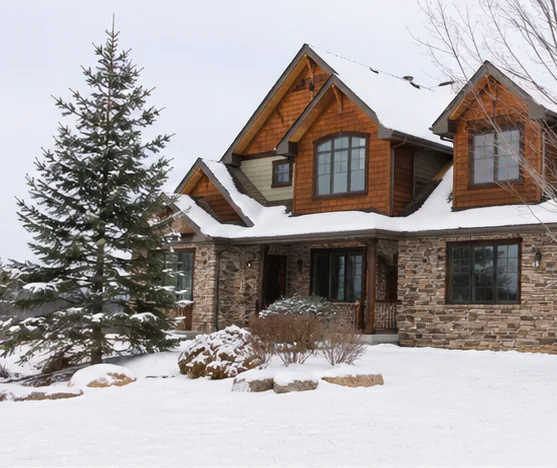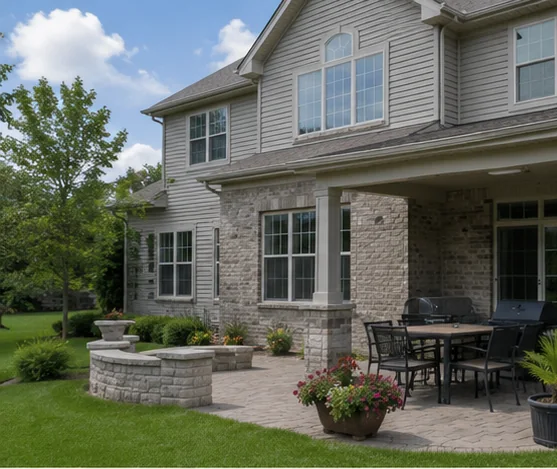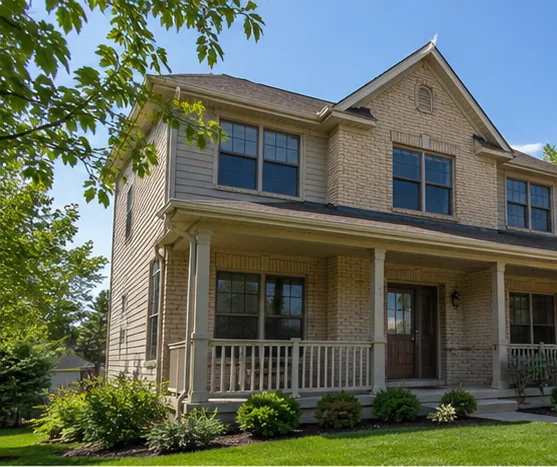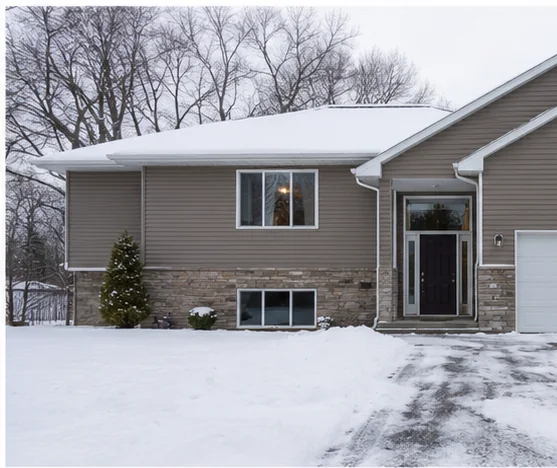
A brand-new home in Marshall should be the easiest house you ever own, but "new" does not always mean "flawless." We inspect newly built homes across Marshall and the surrounding Lyon County prairie, from subdivisions on the edge of town to spec and custom builds going up on former farmland. Crews work fast, trades hand off to one another, and small things get missed in the rush to close. An independent inspection before you sign, or before your builder warranty runs out, gives you a plain-English record of what is right, what is incomplete, and what should be corrected while it is still someone else's responsibility to fix. We are not there to second-guess your builder. We are there to make sure the home you paid for was actually finished the way it should have been, and to give you an honest, third-party set of eyes that answers only to you.
Why a new home in Marshall still needs an inspection
Plenty of buyers assume a new build does not need an inspection because the city already signed off on it. Municipal inspections check that a home meets minimum code at specific stages, but the inspector may only see the house a handful of times during construction, and never sees the finished, fully assembled result the way you will live in it. We walk the completed home top to bottom as a single system. On the southwest Minnesota prairie, builders are also working against weather: foundations poured in cold, framing exposed to relentless wind, and shingles installed under deadline pressure ahead of the next storm. Those conditions leave their fingerprints, and a careful inspection finds the loose ends before you are the one paying for them.
Roofing, flashing, and the prairie wind-and-hail reality
Marshall sits in open country where there is little to slow the wind, and summer storms regularly drag hail across Lyon County. On a brand-new roof we look closely at how the shingles were laid, whether nailing patterns and starter courses were done correctly, and whether step flashing, valleys, and pipe boots were detailed properly. Wind uplift on a poorly fastened new roof shows up fast out here, and hail can bruise even freshly installed shingles. We also check attic ventilation and that ridge and soffit vents are actually open and working, because a new roof that cannot breathe will age years faster than it should in our heat-and-cold swings.
Grading, drainage, and the foundation on disturbed prairie soil
New homes on the edge of Marshall are frequently built on recently graded ground, sometimes former cropland, where the soil has been moved, compacted, and backfilled. In the first year that fill settles. We look for proper slope away from the foundation, downspouts and extensions that actually carry water away from the house, and early signs of settlement around the basement or slab. Catching negative grading or a downspout dumping against the wall now is far cheaper than fixing a wet basement after two prairie spring melts. We also note any cracking in fresh concrete and whether it looks like normal curing or something that warrants tracking.
Systems, finish work, and the things crews leave undone
The most common new-construction findings are not dramatic, they are simply unfinished. Missing insulation in a corner of the attic, a bath fan venting into the attic instead of outside, plumbing left without proper venting, electrical junction boxes left open, a furnace or water heater not fully set up, GFCI and AFCI protection missing where code now expects it. We test what can be tested, run the HVAC through heating and cooling where conditions allow, run water at fixtures to check for leaks and drainage, and document the punch-list items so your builder can correct them before closing or under warranty.
Well, septic, and radon on farm-adjacent builds
Some new homes near Marshall sit outside city utilities on parcels with a private well and a septic system. A new septic system can still be installed incorrectly, and a new well can have issues with pressure, the pressure tank, or the wiring at the pump. We note what we observe and recommend specialist well-flow and septic evaluations where appropriate, since those fall outside a standard home inspection. Radon is also a real concern across southwest Minnesota, and a new, tightly sealed home can actually concentrate it. We recommend radon testing on new builds and can advise whether a passive radon system was roughed in during construction.
The pre-warranty walk before your coverage ends
If you already moved into a newer Marshall home, the smartest inspection you can schedule is one near the end of your builder's first-year warranty. By then the house has been through a full prairie cycle, a hard winter with ice-dam potential at the eaves, a spring thaw, and a windy summer, and any settlement, finish defects, or drainage problems have had time to reveal themselves. We produce a documented list you can hand straight to your builder while the work is still covered, instead of discovering the issue the month after the warranty quietly expires.
What we watch for
- Shingle nailing, starter courses, and flashing on the new roof, plus wind- and hail-vulnerable details
- Attic ventilation and insulation coverage, including bath and kitchen fans vented fully to the exterior
- Grading and downspout drainage on freshly disturbed or backfilled prairie soil
- Early foundation settlement, concrete cracking, and signs of moisture in basements and slabs
- Open junction boxes, missing GFCI/AFCI protection, and incomplete electrical work
- Plumbing leaks, drainage, and proper venting at fixtures and water heaters
- HVAC setup and operation, tested in heating and cooling where conditions allow
- Private well pressure and septic concerns on farm-adjacent parcels (with specialist referrals)
- Radon exposure and whether a passive radon system was roughed in during construction
Buying or finishing a new home in Marshall? Read our Google reviews to see how local owners describe working with our InterNACHI Master Inspector, then build your free instant quote online in a couple of minutes. There is no phone tag and no pressure: tell us about the home, choose a time, and you will have a clear, detailed report in your hands within 24 hours of the inspection.
Build Your Instant Quote