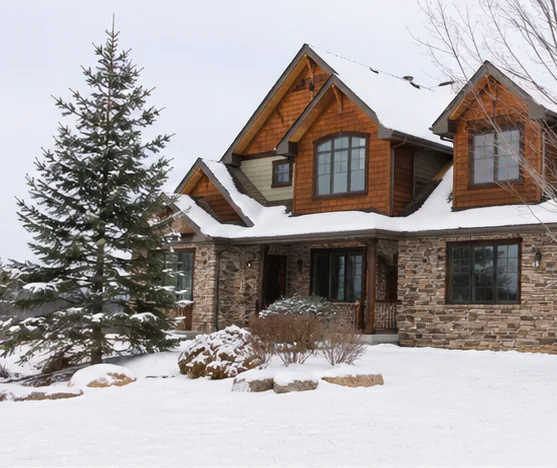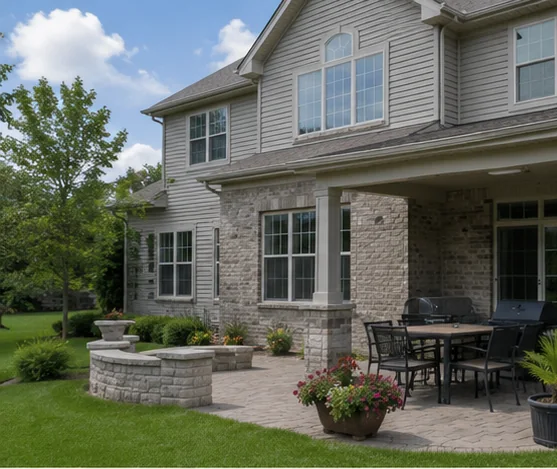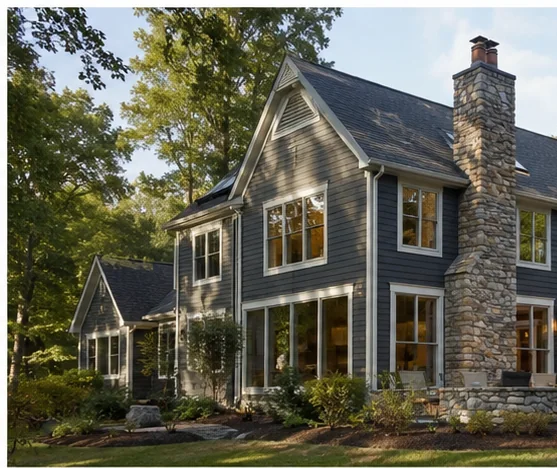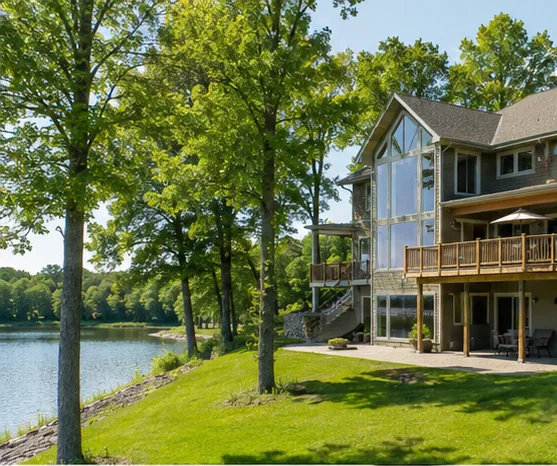
Out past the edge of Marshall, where the city grid gives way to section roads and shelterbelts, farmhouse acreage properties carry a different inspection workload than a home inside the Lyon County seat. These are the older farmsteads and newer rural builds scattered across the southwest Minnesota prairie toward Ghent, Lynd, Russell and Cottonwood, often sitting on their own well and septic, exposed to open prairie wind on every side, and sometimes paired with outbuildings, a windbreak of mature trees, and decades of additions. Buying one means inspecting a small system, not just a house. Home Inspection Marshall MN walks the whole property, gives you plain-English findings, and delivers a photo-mapped digital report within 24 hours so you know exactly what you are taking on before your contingency closes.
Private well and the water you will actually drink
Most Marshall city homes are on municipal water; farmhouse acreage almost never is. A private well changes the inspection from the first minute. We look at the well's age, the visible casing and cap, where it sits relative to the septic system and any old livestock yards, and whether the pressure tank, pump and pressure switch are working and sized for the household. We run fixtures and watch how the system recovers under demand. We flag a pitless adapter that is leaking, a well sitting too close to a contamination source, and signs the well may be a shallow or older sandpoint rather than a modern drilled well. Water testing for bacteria and nitrates is its own step, and on prairie ag land near fields nitrate is a real question worth answering before you close. We tell you honestly what we can observe versus what requires a lab sample or a licensed well contractor.
Septic systems on farm-adjacent ground
With no city sewer out here, the septic system is on you, and a failing one is one of the most expensive surprises a rural buyer can inherit. We note the type and visible condition of the system we can see, look for soggy ground, odors, or backed-up fixtures, and check for surface discharge or an obviously undersized or non-compliant setup. Older Marshall-area farmsteads sometimes still have aging tanks, dry wells, or straight pipes that would not meet current Minnesota standards. A standard home inspection is not a septic compliance certification, so we will tell you plainly when a separate licensed septic inspection and a county compliance check are warranted before you commit, and we help you understand why that matters on acreage.
Prairie wind, hail, and the roof that takes the beating
Open farmland gives a house nowhere to hide. Marshall and the surrounding prairie see strong straight-line winds and hail, and a farmhouse roof, gutters, and siding absorb it season after season. We examine the roof covering for hail bruising, wind-lifted or missing shingles, and the soft metal of vents and flashing for the dimpling that tells us hail has come through. On older farmhouses with multiple roof additions, we pay close attention to the valleys and the tie-ins where one roofline meets another, since those are the spots that leak first. We also check whether previous storm damage was repaired properly or just patched, which can matter for both safety and insurance.
Older bones, additions, and the original foundation
Many Marshall-area farmhouses started small and grew, with porches enclosed, kitchens bumped out, and second stories added over the years. Each addition is a place where framing, roofs and foundations meet, and where shortcuts hide. We look at the original foundation, often fieldstone or older poured concrete with a stone or block basement, for cracks, bowing, water staining and crumbling mortar, and we check that additions are properly tied in and supported rather than floating. Heavy glacial-till soil and seasonal frost movement work on these old foundations every winter. We also evaluate the heat: rural farmhouses may run on propane or fuel oil rather than natural gas, and we assess the furnace, fuel tank and distribution honestly.
Radon and ice dams in a hard prairie winter
Radon is common across southwest Minnesota, and a farmhouse basement or crawlspace is exactly where it accumulates. We recommend a radon test as a standard part of buying any home here, acreage included, since you cannot see or smell it. Winter brings the other recurring issue: ice dams. Older farmhouses frequently have under-insulated attics and uneven ventilation, so heat escapes, snow melts and refreezes at the eaves, and water backs up under the shingles. We look for the staining, the rot, and the past damage that tell us a roof has fought ice dams before, and we point out the insulation and ventilation gaps driving it so you can plan real fixes rather than chasing leaks every February.
Outbuildings, electrical, and the rest of the property
Acreage usually comes with more than a house. Pole barns, machine sheds, old granaries and detached garages often carry their own electrical feeds, and rural wiring can be a patchwork of decades of farm improvements, knob-and-tube remnants, ungrounded circuits, or overloaded panels. We assess the home's electrical service and panel closely and note visible safety concerns in accessible outbuildings within the scope of the inspection. We also look at grading and drainage across the site, since water needs to move away from the house on flat prairie ground, and at the shelterbelt trees whose limbs and roots can reach the roof and foundation. The goal is one clear picture of the whole place.
What we watch for
- Private well condition, age, casing and cap, plus pressure tank and pump performance under real demand
- Septic system signs of failure, surface discharge, and whether a separate compliance inspection is needed
- Hail bruising and wind damage on roof shingles, flashing, soft metal vents, and valleys
- Original fieldstone or older foundation for cracks, bowing, water intrusion, and how additions tie in
- Radon test recommendation for the basement or crawlspace
- Ice-dam history, attic insulation and ventilation gaps at the eaves
- Heating fuel type and equipment, including propane or fuel-oil furnaces and tanks
- Rural electrical service, panel condition, and feeds to detached outbuildings
- Site grading, drainage on flat prairie ground, and shelterbelt trees against the house
Buying a farmhouse on acreage near Marshall is buying a whole system, not just a house, and you deserve a clear, honest read before your contingency closes. See why neighbors across Lyon County and the southwest prairie trust us by reading our Google reviews, then build your free instant quote online in about 60 seconds. No phone tag, no callback delay, no pressure. Everything happens online, and your photo-mapped digital report lands within 24 hours.
Build Your Instant Quote