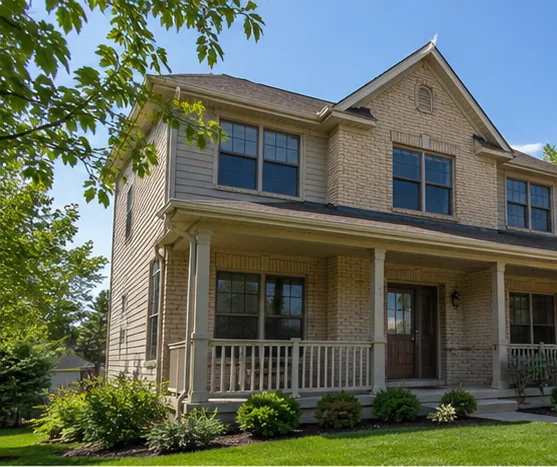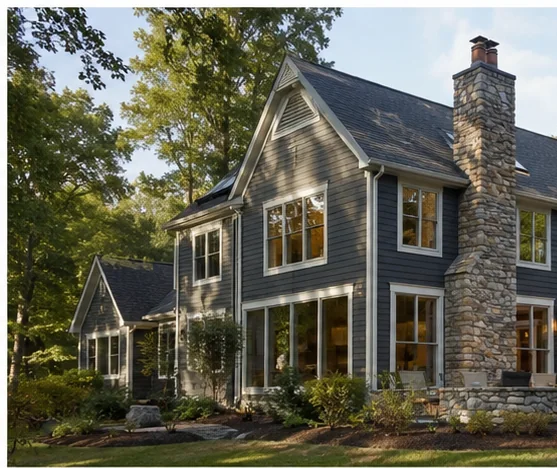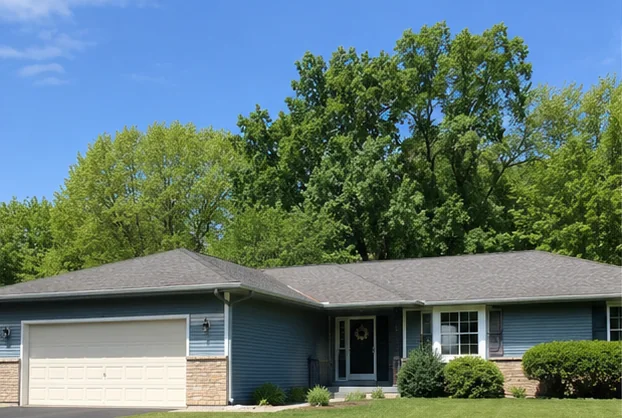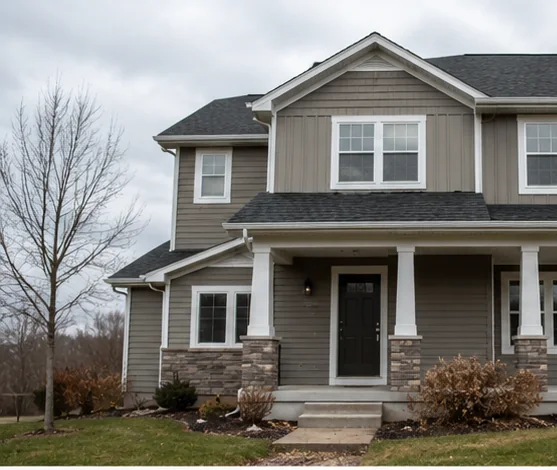
The blocks around West Main Street and College Drive form the oldest part of Marshall, where the city grew up around the railroad after it was platted in 1872. If you are buying near the historic core, you are usually buying an older home with character and a fair amount of deferred maintenance to understand.
Marshall's downtown and the surrounding residential blocks hold many of the city's earliest homes, including houses built in the early 1900s in colonial revival and traditional foursquare styles, along with later additions filled in over the decades. Because this is the oldest part of a regional hub for southwest Minnesota, the housing stock is genuinely mixed: a well-kept century home can sit next to a property that has not seen significant updating in a generation.
With older homes near the core, an inspection tends to focus on the systems that age out first. Many of these houses started with plaster-and-lath walls, and some still carry remnants of knob-and-tube wiring or early ungrounded circuits that should be traced and evaluated. Original electrical panels are often undersized for modern loads, and it is common to find a patchwork of upgrades done by different owners over the years. We document what we can see and explain where a licensed electrician should take a closer look.
Foundations on older Marshall homes are frequently stone, brick, or early poured concrete, and they deserve careful attention for cracking, moisture intrusion, and past repairs. We look at grading and downspouts, because so many basement issues here trace back to water that is not being moved away from the house. Cast-iron drain lines and galvanized supply piping may still be in service and nearing the end of their useful life.
Roofs in this part of town take the same prairie wind and hail exposure as the rest of Marshall, so we check for impact bruising, lifted or missing shingles, and flashing problems around the older rooflines and additions that downtown homes tend to accumulate. Winter ice dams are a recurring concern on these homes, where attic insulation and ventilation were often added piecemeal; we evaluate insulation depth and ventilation and note where ice damming has caused staining or rot. Radon is a real consideration across this region, and we recommend testing regardless of a home's age.
Buyers near the core should expect that an older home will have a longer list than a new build, and that is normal. The goal of the inspection is not to scare you off a charming home but to give you a clear, prioritized picture of its condition so you can plan and budget. As an InterNACHI Master Inspector, we walk the property with you and explain what matters now versus what can wait.
See what local buyers say in our Google reviews, then build your free instant quote online in a couple of minutes. No phone call needed, just the quote form.
Build Your Instant Quote