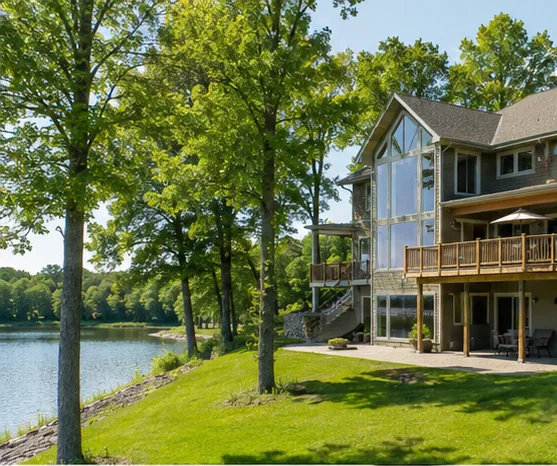
A home inspection in Marshall is not a formality you check off before closing. It is your one structured, unhurried look at a property before it becomes your responsibility. As the regional hub of southwest Minnesota and the seat of Lyon County, Marshall draws buyers from across the prairie, and the homes here reflect that range: tidy mid-century neighborhoods near downtown and Southwest Minnesota State University, newer subdivisions on the edges of town, and a steady flow of acreages and farm-adjacent properties just past the city limits. Each of those carries its own inspection priorities. This guide walks through what a thorough inspection actually covers in Marshall, why the prairie climate changes what an inspector looks for, and how to read the report you receive so you understand exactly what you are buying.
In this guide
The Roof, Siding, and Exterior: Built to Take Prairie Wind and HailFoundation, Basement, and Structure on Prairie SoilsHeating, Cooling, and Electrical: Aging Mechanicals in an Older Housing StockPlumbing, Well, and Septic on Rural and Farm-Adjacent PropertiesAttic, Insulation, Ventilation, and Ice DamsRadon and Indoor Air: A Real Concern Across Southwest MinnesotaThe Roof, Siding, and Exterior: Built to Take Prairie Wind and Hail
Marshall sits in open prairie country where there is little to slow down wind, and roofs here take a beating that a buyer relocating from a more sheltered region may underestimate. An inspector evaluates the roof covering for hail bruising, wind-lifted or creased shingles, granule loss, and the age of the system relative to its expected service life. Southwest Minnesota's summer storm season regularly produces hail, and a roof that looks fine from the driveway can hold impact damage visible only on close inspection. The inspector also documents flashing at chimneys and valleys, the condition of soffits and fascia, and whether previous storm repairs were done well or patched. Beyond the roof, the exterior walk covers siding (vinyl is common and can crack or melt near grills and dryer vents), trim, caulking, and the grading around the foundation. On the prairie, proper drainage away from the house matters because flat lots and clay-heavy soils can hold water against a foundation. Windows and doors are checked for seal failure and weather-tightness, which directly affects heating costs through long Minnesota winters. The exterior section often produces the most negotiable findings, so it deserves close attention.
Foundation, Basement, and Structure on Prairie Soils
Most Marshall homes have full basements, and the foundation is where an inspector spends serious time. They examine poured concrete or block walls for cracking, bowing, horizontal shearing, and signs of water intrusion such as efflorescence, staining, or a musty smell. Southwest Minnesota's freeze-thaw cycles are severe: water in the soil expands as it freezes against foundation walls, and over decades this lateral pressure can push block walls inward. The inspector looks for step cracks in block, gaps at the sill plate, and any sign that walls have moved. Clay-rich prairie soil swells when wet and shrinks when dry, which can stress footings and contribute to settlement, so the inspector also notes uneven floors, sticking doors, and diagonal cracks above windows that may signal movement. In older homes near the established core of town, you may find a combination of original stone or block foundation with later additions, and the transition points are common trouble spots. The structural review continues into the framing visible in the basement and any crawlspaces: joists, beams, support posts, and signs of past water or insect damage. None of this is meant to alarm you. It is meant to tell you what is normal aging versus what needs a structural opinion before you commit.
Heating, Cooling, and Electrical: Aging Mechanicals in an Older Housing Stock
Mechanical systems carry real money, and Marshall's mix of older and newer homes means furnace and water heater ages vary widely. A standard inspection identifies the furnace type, estimates its age from the data plate, runs it through a heating cycle, and checks the flue, venting, and visible heat exchanger access. In a region where winter lows run well below zero, a furnace nearing the end of its life is a meaningful negotiating point, and the inspector will flag it without overstating it. Central air conditioning is tested when outdoor temperatures allow safe operation. Water heaters are checked for age, capacity, proper venting, and the presence of a temperature-pressure relief valve. The electrical evaluation covers the service panel, looking for the brand and amperage, double-tapped breakers, improper wiring, and panels with known reliability concerns that show up in homes of certain eras. Outlets are tested for grounding and reverse polarity, and the inspector confirms GFCI and AFCI protection where current standards expect it, particularly in kitchens, baths, and unfinished spaces. The goal is a clear picture of which systems are near replacement so you can budget rather than be surprised in the first cold snap after closing.
Plumbing, Well, and Septic on Rural and Farm-Adjacent Properties
In the city of Marshall, homes are on municipal water and sewer, and the inspection covers supply lines, drain and waste piping, fixtures, water pressure, and signs of past leaks or improper repairs. But many buyers in Lyon County are looking at acreages, hobby farms, and rural properties beyond the city limits, and those change the conversation considerably. A standard home inspection observes the visible plumbing but does not, on its own, certify a private well or septic system. If the property has a well, you should arrange a separate water quality test (prairie groundwater can carry nitrates and bacteria, especially near agricultural land) and an evaluation of the well's condition and depth. Minnesota law requires that a septic system be evaluated for compliance at the time of many property transfers, so a licensed septic inspection is typically a separate, necessary step on rural properties. Your home inspector should help you understand where the standard inspection ends and these specialized assessments begin, so nothing falls through the cracks. Treating well and septic as afterthoughts is one of the most expensive mistakes a rural buyer can make in this part of the state.
Attic, Insulation, Ventilation, and Ice Dams
The attic tells the story of how a Marshall home handles winter. An inspector enters or views the attic to evaluate insulation depth and type, the presence and balance of intake and exhaust ventilation, and any evidence of past or active moisture problems. Ice dams are a recurring issue across southwest Minnesota: when heat escapes into the attic and melts the underside of the snowpack, water refreezes at the cold eaves, backs up under the shingles, and stains ceilings or rots roof sheathing. The inspector looks for the telltale signs, such as water staining at the roof deck, compressed or missing insulation, bath and kitchen fans venting into the attic instead of outdoors, and frost accumulation on the sheathing. Adequate insulation also directly affects your heating bills through a long heating season, so this section has practical value beyond defect-spotting. The inspector notes whether the attic is properly air-sealed at penetrations and whether the ventilation pathway from soffit to ridge is clear. Findings here are often inexpensive to address and offer a strong return, both in comfort and in preventing the slow, hidden damage that ice dams cause over multiple winters.
Radon and Indoor Air: A Real Concern Across Southwest Minnesota
Radon deserves its own section because southwest Minnesota, like most of the state, sits in an area where elevated indoor radon is common rather than rare. Radon is a naturally occurring radioactive gas that seeps from the soil into homes through foundation cracks, sump pits, and slab penetrations, and it is the kind of risk that gives no warning because it is colorless and odorless. The only way to know a home's level is to test. A home inspection visit is a logical time to place a radon test, and many buyers in Marshall include one as part of their due diligence. The Minnesota Department of Health recommends mitigation when levels reach or exceed the action threshold, and the good news is that mitigation systems are well understood and reasonably priced relative to the health benefit. If the home already has a radon mitigation system installed, your inspector can note its presence and whether it appears to be operating, though confirming performance still requires a test. Pairing a radon measurement with the inspection gives you a fuller picture of the home as a place to live, not just a structure to maintain.
Quick checklist
- Confirm the roof age and ask the inspector to specifically check for hail and wind damage given the prairie storm exposure
- Review the foundation findings for bowing, step cracks, and water intrusion before waiving any contingency
- Note the age and condition of the furnace, central air, and water heater so you can budget for replacement
- On any rural or acreage property, schedule a separate well water test and a Minnesota-compliant septic inspection
- Ask whether attic insulation and ventilation are adequate and whether there is evidence of past ice dams
- Include a radon test with your inspection and plan for mitigation if levels reach the state action threshold
- Verify the electrical panel brand, amperage, and GFCI/AFCI protection in kitchens, baths, and unfinished areas
- Check that grading and drainage direct water away from the foundation, especially on flat or clay-heavy lots
- Read the full written report, not just the summary, and ask your inspector to explain anything unclear before closing
Before you commit to a home in Marshall or anywhere in Lyon County, see what your neighbors say. Read our Google reviews to learn how local buyers describe their experience, then build a free instant quote online in just a couple of minutes. There is no phone call required and no obligation: tell us about the property and get your quote so you can move forward with a clear, honest inspection on your side.
Build Your Instant Quote