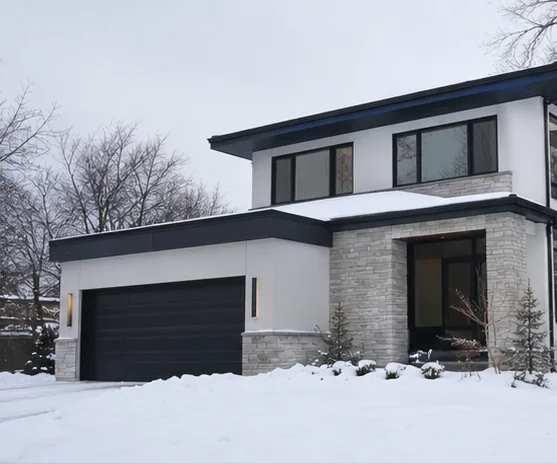
Your Marshall inspection report is not a pass-or-fail grade on the house. It is a detailed, photo-documented record of what an inspector could see and reach on the day of the walkthrough, written to a consistent standard so you can make a confident decision. For many buyers in Lyon County and the surrounding southwest Minnesota prairie, it is the longest and most technical document in the whole transaction, and the temptation is to skim the summary, count the red flags, and panic. That is the wrong way to read it. This guide walks you through how the report is actually built, what its words and severity ratings really mean, why some lines say "not inspected" or "further evaluation recommended," and how to turn dozens of findings into a short, prioritized plan you can act on. Our reports follow the InterNACHI Standards of Practice, include thermal imaging and moisture metering on every job, and arrive in digital form within 24 hours so you have time to read them carefully before deadlines hit. Learn the language once, and every report you ever receive will make sense.
In this guide
The Report Is a Snapshot, Not a VerdictDecoding Severity Language: Monitor, Repair, Replace, SafetySummary Page Versus the Full NarrativeReading the Photo-Map, Thermal Images, and Moisture CalloutsWell, Septic, and Why the Report Says "Visual Only"Turning the Report Into a Prioritized Action PlanThe Report Is a Snapshot, Not a Verdict
The first thing to understand about your Marshall report is what it represents in time: a visual, non-invasive snapshot of accessible systems on one specific day. An inspector does not move heavy furniture, open walls, dig up the yard, or predict the future. So the report is honest about its own boundaries, and that honesty is a feature, not a hedge. When a home in a Marshall neighborhood has been buttoned up for a showing, or a rural property near Lynd or Ghent has snow on the roof and a frozen exterior faucet, the report will note conditions that limited what could be evaluated. Read those notes as a map of where your remaining risk lives, not as filler. A useful habit is to read the report twice. The first pass is for orientation: how the document is organized, where the summary sits, how the photos are numbered, and how the inspector flags items. The second pass is for decisions, with a pen, marking which findings you want to ask about, price out, or have re-examined before closing. Treat the report as the start of a conversation about the house, not the final word on it. Everything that follows in this guide assumes that mindset, because the same finding can feel like a deal-breaker or a routine note depending on how you read its context.
Decoding Severity Language: Monitor, Repair, Replace, Safety
The single most important skill in reading any inspection report is understanding severity language, because the same roof or furnace can generate very different recommendations. Inspectors generally sort findings into a few tiers. "Monitor" or "maintenance" items are normal wear you keep an eye on, like minor caulk separation or a slow-draining gutter. "Repair or replace" items are genuine defects that need a qualified trade to address, such as a section of shingles on a southwest-facing slope that prairie wind and hail have bruised and granule-stripped. "Safety hazard" is the highest priority tier, reserved for conditions that can hurt someone, like a missing GFCI near a sink, a gas appliance vented incorrectly, or a stairway with no graspable handrail. The fourth phrase to watch for is "recommend further evaluation by a licensed specialist." That is not the inspector dodging the question; it means the issue falls outside a generalist visual inspection and deserves a roofer, electrician, HVAC tech, or structural engineer who can do invasive testing. In older Marshall homes with aging mechanicals, a furnace or panel may earn this note simply because age and access make a deeper look prudent. Read the verb in each finding. "Monitor" and "safety hazard" are worlds apart, and confusing the two is how buyers either over-react to cosmetic notes or under-react to the items that actually matter.
Summary Page Versus the Full Narrative
Most reports open with a summary that pulls the significant findings into one place, and most buyers stop there. That is a mistake. The summary is a triage tool, not the whole report. It is designed to surface the items the inspector judged most consequential, but the full narrative section is where the context lives: the photos, the qualifying language, the location of each finding, and the difference between a one-off defect and a pattern. A summary line might read "evidence of past moisture in basement." The narrative is where you learn whether that means a single old stain near a Marshall home's foundation crack, or active seepage your moisture meter lit up along an entire wall. Those demand very different responses. Read the summary first to know where to look, then read the corresponding narrative entries in full before forming an opinion on any item. Pay special attention to findings that appear in the narrative but not the summary; the inspector may have judged them minor, yet they can still matter to you given your budget or plans for the home. The summary tells you what the inspector flagged loudest. The narrative tells you what to actually do about it. On the southwest Minnesota prairie, where a mix of century-old farmhouses and newer builds means no two reports look alike, that full reading is what keeps you from negotiating off a headline instead of the facts.
Reading the Photo-Map, Thermal Images, and Moisture Callouts
A modern report is photo-mapped, meaning nearly every finding is tied to a labeled image so you can see exactly what the inspector saw without climbing the ladder yourself. Use the photos as your verification layer. If a finding describes hail bruising on a roof slope or rust at the base of a water heater, the image should show it clearly with enough surrounding context to place the location. When a callout lacks a photo, that is a fair thing to ask about. Our Marshall reports also include thermal imaging on every job, and those infrared images deserve a careful look. Thermal scans reveal temperature differences that hint at missing insulation, air leakage around prairie-exposed walls, or moisture behind a surface, but they are interpretive, not x-ray vision. A thermal anomaly paired with a moisture-meter reading is strong evidence; a thermal color alone is a lead worth following, not a confirmed defect. The report should explain which it is. Ice-dam damage common to Minnesota winters often shows up first as a thermal warm streak at the eave and a moisture reading on the ceiling below, long before a stain is visible. Learning to pair the photo, the thermal image, and the written finding turns three pieces of data into one clear picture, and it is how you separate confirmed problems from items flagged for caution.
Well, Septic, and Why the Report Says "Visual Only"
Many Lyon County properties outside Marshall's city limits run on a private well and an on-site septic system, and this is one place where reading the report literally matters most. A standard home inspection evaluates these systems visually and functionally to the extent they are accessible: the inspector can note the visible wellhead condition, run fixtures to confirm flow, and observe the septic area for surfacing or odors. What the inspection does not do is test your water for bacteria and nitrates, or perform a compliance evaluation of the septic system. So your report will carefully say "visual inspection only" or "water quality not tested" on these lines. That language is not a gap in the work; it is the report telling you a separate, specialized test is the appropriate next step. For farm-adjacent and rural prairie homes, water quality and septic compliance can have real cost and health implications, which is why the report routes you to certified well-water labs and licensed septic inspectors rather than guessing. Read these sections, then treat "further testing recommended" as a to-do item with a deadline, not a formality. If the report notes the well or septic could not be fully located or accessed, that limitation belongs on your follow-up list too. The visual findings tell you whether something looks wrong today; the specialized tests tell you whether the water is safe and the system is legal.
Turning the Report Into a Prioritized Action Plan
By the time you have read the report twice, you may have two or three dozen findings, and that volume is normal even on a sound home. The skill now is prioritization. Start by separating the list into three buckets. First, safety hazards and active problems, like an electrical defect, a leaking valve, or moisture readings showing current water intrusion. These drive your repair requests and your timeline. Second, deferred-maintenance and end-of-life items, such as aging mechanicals, a furnace or water heater near the back of its service life, or a roof that has weathered enough prairie storms to be on borrowed time. These rarely stop a sale but shape your budget and your negotiation. Third, monitor-and-maintain notes you simply file away as the homeowner's running task list. Costs for the first two buckets vary widely with the trade, the access, and current local labor and material rates, so use the report to gather bids rather than to assume a number. Then act within your contract's timeline: request repairs, ask for credits, schedule the specialist evaluations the report recommended, or decide an item is acceptable as-is. A report is leverage and a planning tool, not a list of demands. Used well, it lets you walk into closing knowing exactly what you are buying, what you will fix first, and what can wait until next spring.
Quick checklist
- Read the report twice: once for orientation, once with a pen to mark items to question, price, or re-examine before your deadline
- Check the verb on every finding and confirm whether each is labeled monitor, repair/replace, safety hazard, or further evaluation
- Open the full narrative for every summary line before forming an opinion, and scan for narrative findings the summary left out
- Confirm each significant finding has a labeled photo, and flag any callout that lacks an image to verify it
- Pair every thermal-imaging or moisture-meter note with its finding to tell confirmed problems from cautionary leads
- On rural Lyon County properties, note where the report says water-quality testing or septic compliance is not included and book those specialist tests
- Make a follow-up list of every 'recommend further evaluation by a specialist' item and schedule it within your contract timeline
- Sort all findings into three buckets: safety/active problems, deferred-maintenance and end-of-life items, and monitor-and-maintain notes
- Gather written bids for safety and repair items rather than assuming costs, since local labor and material rates vary
- Re-read any 'not inspected' or limited-access notes and decide which need a return visit before closing
A clear report is only useful when you have time to read it properly, which is why every Marshall inspection we deliver arrives as a photo-mapped digital report within 24 hours, complete with thermal imaging and moisture metering, written to the InterNACHI Standards of Practice. See how other Lyon County buyers describe the experience by reading our verified Google reviews, rated 5.0 across 106 inspections, then build your free instant quote online in about a minute. Everything happens on our website, with no phone tag and no waiting on a callback. When you are ready to understand exactly what you are buying on the southwest Minnesota prairie, start your instant quote and book your inspection right here.
Build Your Instant Quote