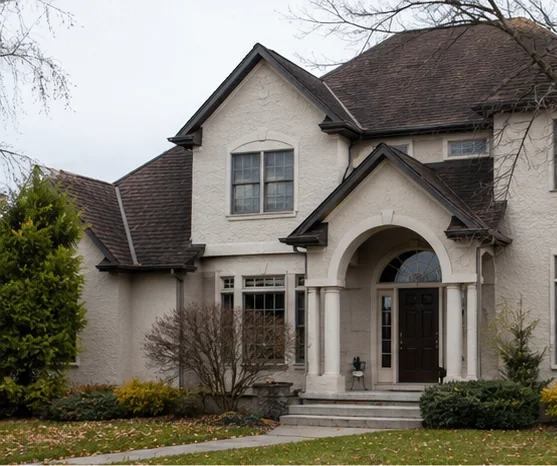
Marshall sits at the heart of southwest Minnesota's prairie country, a regional hub for Lyon County where the housing stock tells the story of a town that grew in waves. You'll find pre-war bungalows and foursquares near downtown and around Southwest Minnesota State University, mid-century ranches and split-levels in the established neighborhoods, and farmsteads and acreages just past the city limits. Older homes here have character, mature trees, and prices that often make sense for first-time buyers and growing families. But the prairie is hard on buildings: relentless wind, hail, deep frost, and dry summers all leave their mark. This guide walks you through what actually matters when buying an older home in Marshall, so you go in with clear eyes instead of surprises after closing.
In this guide
Why Older Homes in Marshall Need a Different EyePrairie Wind, Hail, and the Aging RoofWells, Septic, and Buying Past the City LimitsRadon and the Air You Don't SeeIce Dams, Insulation, and Winter PerformanceAging Mechanicals, Wiring, and the FoundationWhy Older Homes in Marshall Need a Different Eye
An older home in Marshall is not the same inspection as an older home in a sheltered, wooded suburb. Out here on the open prairie, the structure has spent decades absorbing forces that a buyer from a calmer climate might never think about. Sustained wind loads work fasteners loose, lift shingle edges, and stress siding and soffits. Wide swings between humid summers and brutally cold, dry winters cause materials to expand and contract season after season, opening gaps around windows, doors, and trim. Deep frost penetration, common in Lyon County, heaves sidewalks, garage slabs, and shallow footings over the years. None of this means an older Marshall home is a bad buy. Many of these houses were built solidly and have stood for 70, 80, even 100 years. The point is that the wear pattern here is specific. A good inspection in Marshall looks past cosmetics to how the home has held up against the climate it actually lives in. Cracked plaster, sticking doors, and uneven floors may be benign settling or may be telling you something about the foundation and framing. Knowing which is which is exactly why you bring in a trained, local eye before you commit.
Prairie Wind, Hail, and the Aging Roof
Roofs are the single most weather-beaten component on an older Marshall home, and they deserve your closest attention. Southwest Minnesota gets its share of severe thunderstorms, and hail and straight-line wind events are a recurring fact of life across Lyon County. Over a roof's lifespan, that adds up. Asphalt shingles lose granules and become brittle, and a roof that looks acceptable from the street may have bruising, cracked shingles, lifted tabs, or prior storm damage that was never fully addressed. On older homes you may also encounter multiple shingle layers, aging flashing around chimneys and vents, and undersized or deteriorating attic ventilation. Ventilation matters here because poor airflow accelerates shingle aging from below and contributes to ice dams in winter. When evaluating an older Marshall home, ask how old the current roof is, whether there have been insurance claims for hail or wind, and whether repairs were done by a licensed contractor or patched over. An inspection will document the roof's real condition and remaining service life, plus the gutters, flashing, and ventilation that protect it. Replacing a roof is one of the larger expenses you can inherit, so understanding where it stands before closing protects both your wallet and your negotiating position.
Wells, Septic, and Buying Past the City Limits
Marshall proper is served by municipal water and sewer, but many buyers are drawn to acreages, hobby farms, and rural properties just outside town in Lyon County. The moment you cross into well and septic territory, the inspection scope changes and the stakes rise. Private wells should be tested for safe, potable water, and in a farming region that means paying attention to nitrates and bacteria along with general water quality, since agricultural land use can affect groundwater. You'll want to know the well's age, depth, construction, and whether the pressure system and pump are sound. Septic systems are the other big one. Minnesota's subsurface sewage treatment system rules require that a compliant system be in place, and a failing or non-compliant septic can be a five-figure problem to correct. On older rural properties you may find aging tanks, undersized drainfields, or systems that predate current standards. Always confirm whether a compliance inspection has been done and what it found. A general home inspection often does not include certified well-water testing or a full septic compliance evaluation, so plan for those as separate, specialized services. Budgeting for them up front is far cheaper than discovering a dry well or a failed drainfield after you've moved in.
Radon and the Air You Don't See
Radon is a quiet, invisible risk that every Minnesota homebuyer should take seriously, and Marshall is no exception. Radon is a naturally occurring radioactive gas that seeps up from the soil and bedrock and accumulates inside homes, and the Minnesota Department of Health reports that a large share of homes across the state test above the level at which action is recommended. Southwest Minnesota's geology and soils put many homes in the elevated range. It is the leading cause of lung cancer among non-smokers, which is reason enough not to skip it. Older Marshall homes can be especially worth testing because they often have unfinished basements, fieldstone or block foundations, cracks, sump pits, and other pathways that let soil gas migrate inside. The good news is that radon is easy to measure with a short-term test and straightforward to fix when levels are high. A mitigation system, typically a sub-slab depressurization setup with a fan and vent pipe, reliably brings levels down for a modest cost relative to the health benefit. When you buy an older home here, request a radon test as part of your due diligence. If the result is elevated, that's not a deal-breaker, it's simply a known item you can negotiate or address after closing.
Ice Dams, Insulation, and Winter Performance
Marshall winters are long and cold, and older homes were often built and insulated to standards that no longer reflect how we expect a house to perform. Two related issues show up again and again. The first is ice dams: when heat escapes into the attic, it melts snow on the roof, which refreezes at the cold eaves and forms a ridge of ice that backs water up under the shingles. The result can be stained ceilings, soaked insulation, and rotted decking. Ice dams in an older Marshall home usually point to a combination of thin or settled attic insulation, gaps that leak warm air upward, and inadequate ventilation. The second issue is comfort and energy cost. Single-pane or tired double-pane windows, minimal wall insulation, and drafty rim joists can make an older home expensive to heat through a prairie winter. During an inspection, the attic and accessible insulation, ventilation, and signs of past moisture intrusion all get evaluated, giving you a realistic picture of how the home will perform when it's twenty below. Many of these are improvable, and air sealing plus added attic insulation is often a high-return upgrade, but you want to know going in so you can plan and budget rather than just shiver and wonder.
Aging Mechanicals, Wiring, and the Foundation
The systems hidden behind walls and in the basement are where older homes hold their biggest surprises. Furnaces, water heaters, and central air units all have finite lifespans, and in a home that's changed hands a few times you may find equipment near or past its expected service life, or a furnace that hasn't been serviced in years despite long, demanding heating seasons. Knowing the age and condition of the mechanicals tells you which replacements are looming. Electrical systems in older Marshall homes deserve careful review too: outdated panels, undersized service, knob-and-tube or aluminum wiring in some eras, ungrounded outlets, and amateur additions are all common and can be both safety and insurability concerns. Plumbing may include galvanized supply lines that corrode and restrict flow, or older drain materials nearing the end of their usefulness. Then there's the foundation. Many older homes here have block, poured, or even fieldstone basements, and the prairie's frost cycles and clay-bearing soils can produce cracks, bowing walls, water seepage, and a damp basement that needs grading or drainage attention. A thorough inspection catalogs all of this so you can separate ordinary aging from genuine problems and make a confident, informed decision.
Quick checklist
- Ask the roof's age and whether there have been any hail or wind insurance claims, and confirm repairs were done by a licensed contractor
- Schedule certified well-water testing (including nitrates and bacteria) for any rural or farm-adjacent property on a private well
- Confirm a septic compliance inspection has been completed and review its findings before you commit
- Request a radon test and plan ahead for mitigation if levels come back elevated
- Check the attic for insulation depth, ventilation, and any staining or moisture that signals past ice dams
- Note the age and service history of the furnace, water heater, and air conditioner so you know which replacements are coming
- Look for outdated electrical panels, ungrounded outlets, or older wiring that may raise safety or insurability questions
- Inspect the basement and foundation for cracks, bowing, seepage, and grading that directs water toward the house
- Verify whether galvanized or other aging plumbing lines are present and how they're performing
- Hire an independent, local home inspector before your contingency deadline so you have leverage to negotiate
Buying an older home in Marshall is a smart move when you go in informed, and the right inspection turns unknowns into a clear, prioritized plan. See what your Marshall and Lyon County neighbors say by reading our Google reviews, then build your free instant quote online in just a couple of minutes. No phone calls, no pressure, just a clear price and a straightforward path to scheduling the prairie-savvy inspection your future home deserves.
Build Your Instant Quote